Tour Overview
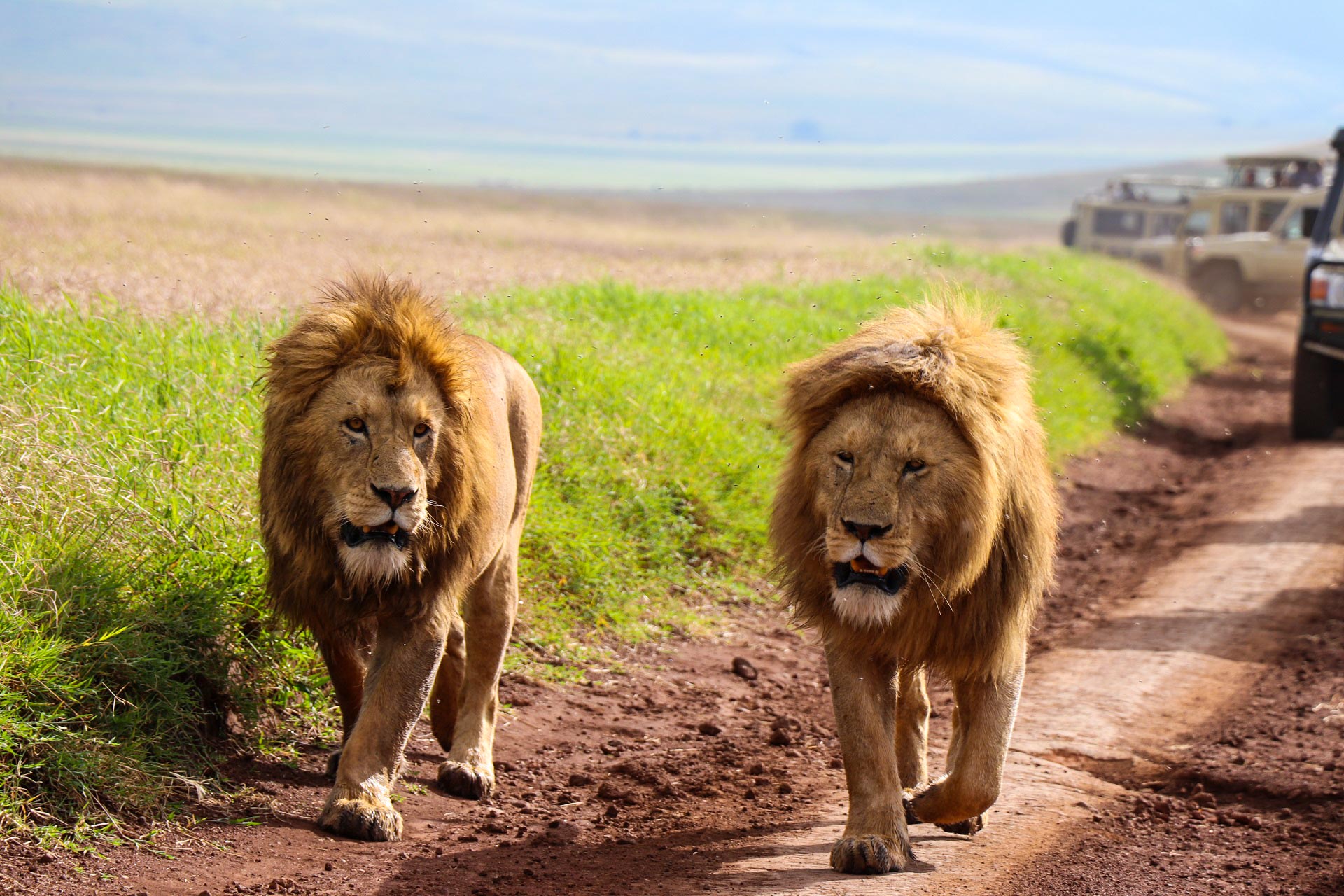
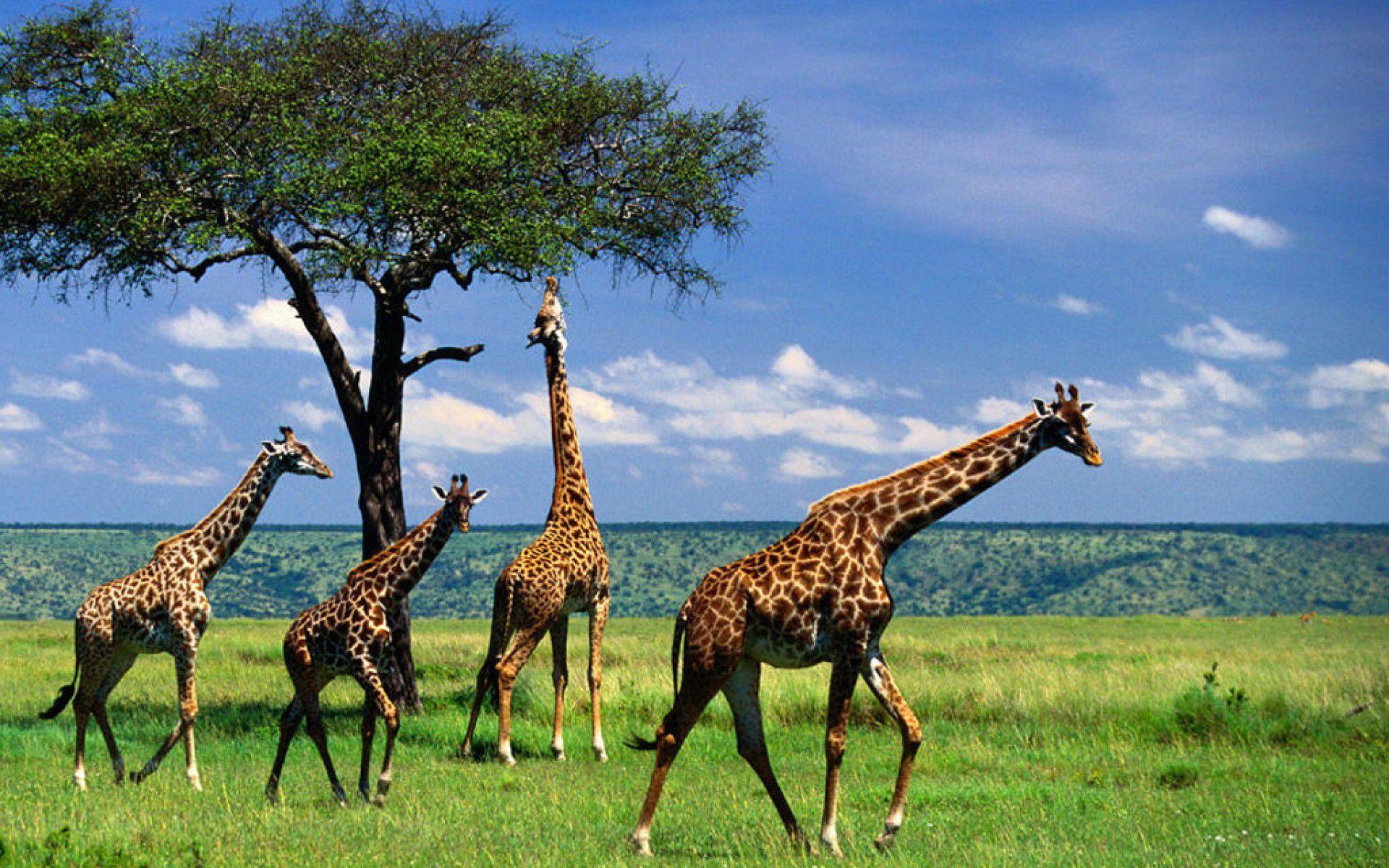
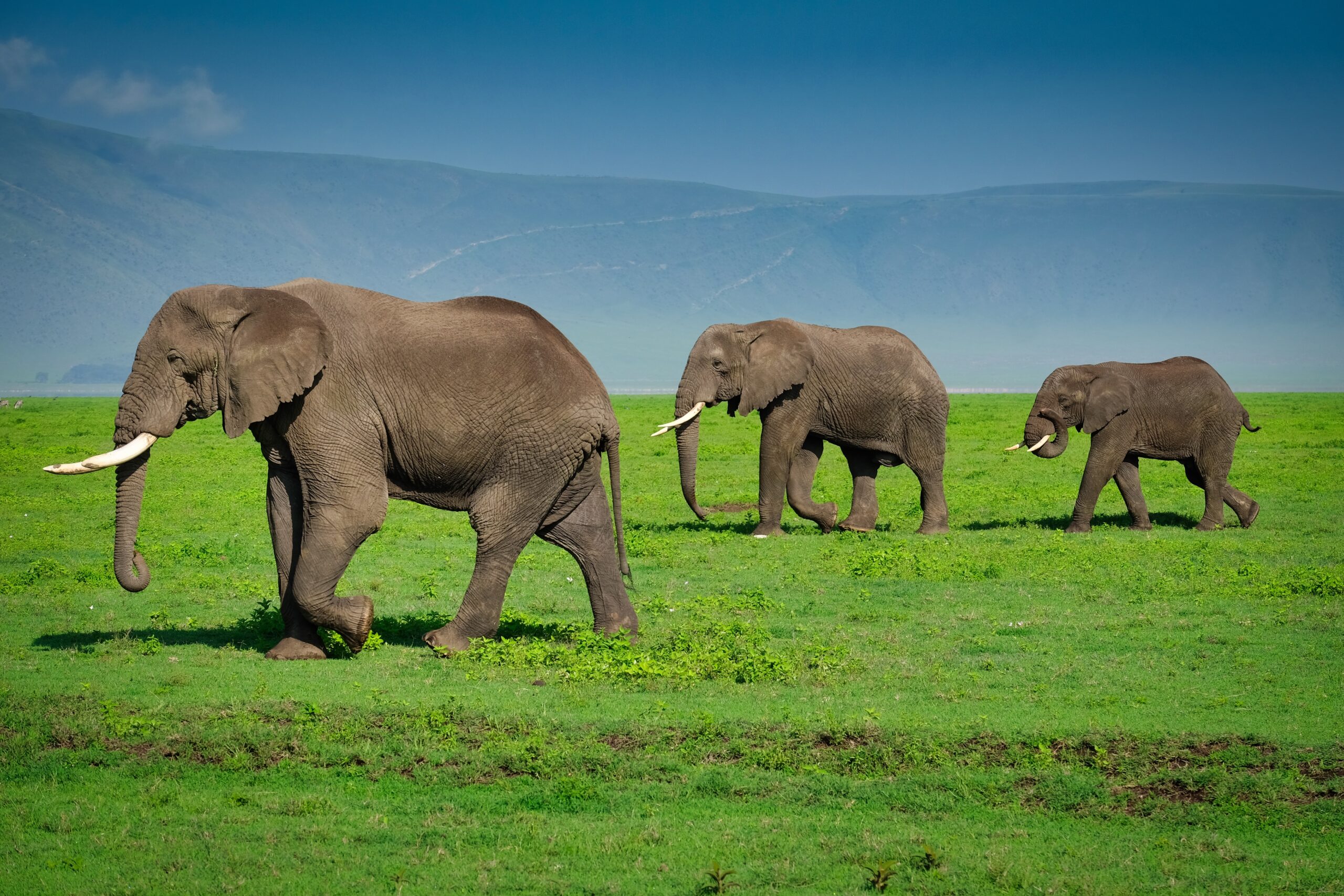
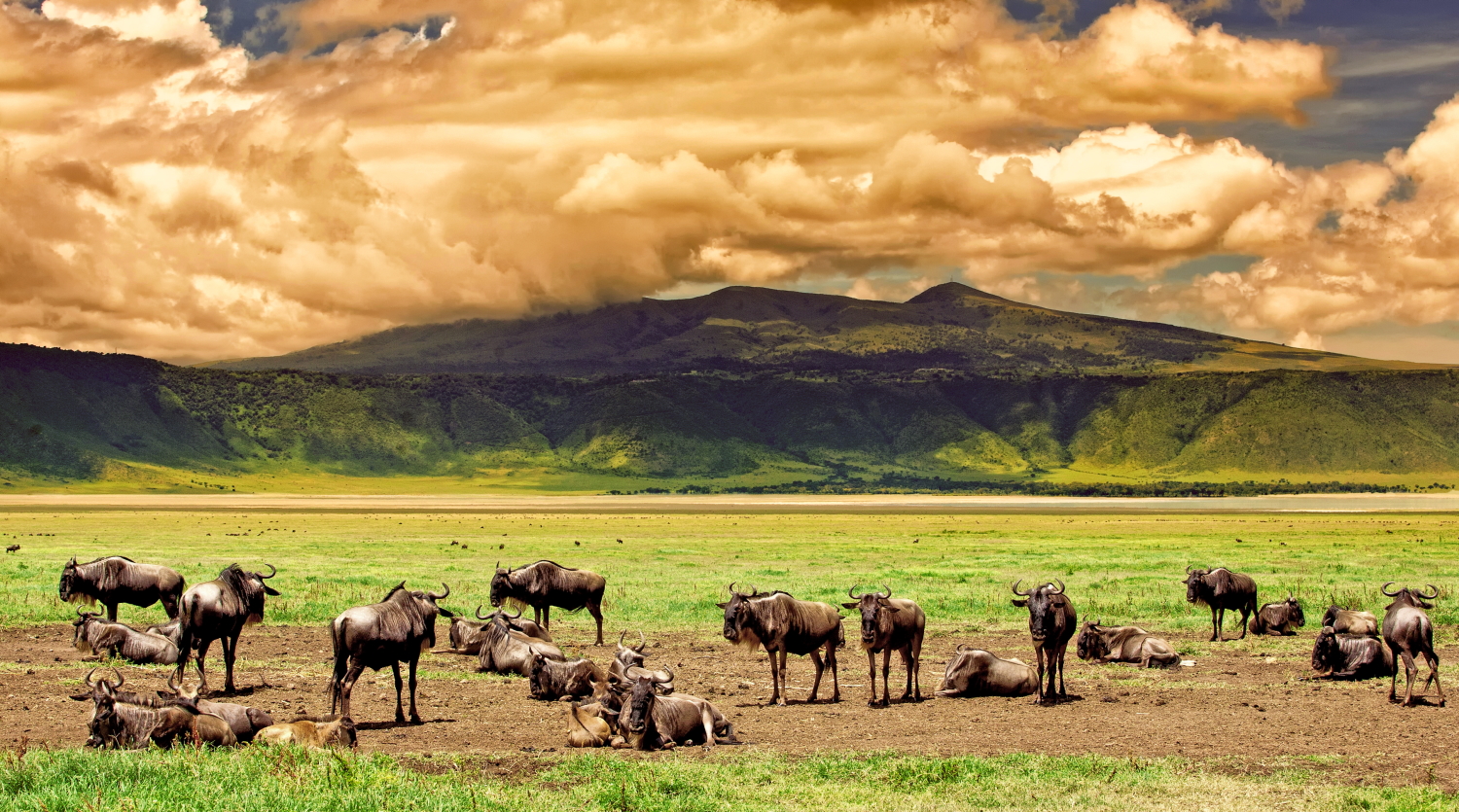
Discover the incredible photography opportunities of Ngorongoro Crater, the world's largest inactive volcanic caldera, on this focused 4-day photography safari. Our Ngorongoro specialist guide will take you to the best vantage points for capturing the crater's diverse wildlife, from herds of elephants to pride of lions. The crater floor offers unparalleled close-up wildlife encounters.
This photography-focused itinerary allows for extended time at wildlife sightings, ensuring you get the perfect shot. Whether you're photographing the endangered black rhinos, capturing the golden sunset over the crater rim, or documenting the daily dramas of predator and prey, our expert guide will help you achieve stunning results.
Included And Excluded
Our comprehensive Ngorongoro photography package includes everything you need for an exceptional wildlife photography experience.
- Departure LocationKilimanjaro/Arusha
- Return LocationKilimanjaro/Arusha
- Departure TimeEarly Morning
- AccommodationCrater View Lodge
- MealsAll Meals Included
- Ngorongoro Specialist GuideIncluded
- 4x4 with Pop-up RoofIncluded
- All Park FeesIncluded
- Camera Tips & TechniquesIncluded
- Multiple Crater VisitsIncluded
- Airport TransfersIncluded
- International FlightsNot Included
- Travel InsuranceNot Included
- Visa FeesNot Included
- Personal ExpensesNot Included
- Camera EquipmentNot Included
Tour Plan
A carefully curated 4-day itinerary designed for optimal wildlife photography in Ngorongoro Crater.
01
Day 1
Arrival & Crater Viewpoint
Arrive at Kilimanjaro International Airport and transfer to your lodge on the Ngorongoro Crater rim. In the afternoon, visit the crater viewpoint for your first breathtaking views and sunset photography over the caldera.
- Airport pick-up and transfer
- Lunch at lodge
- Crater rim viewpoint visit
- Sunset photography
02
Day 2
Full Day in the Crater
Descend into the crater for a full day of wildlife photography. The crater floor is home to approximately 25,000 large mammals. Focus on capturing lions, elephants, rhinos, and the abundant birdlife. Enjoy a picnic lunch while continuing your photography.
- Early morning descent
- Big Five photography
- Picnic lunch in crater
- Afternoon wildlife session
03
Day 3
Lake Magadi & Flamingos
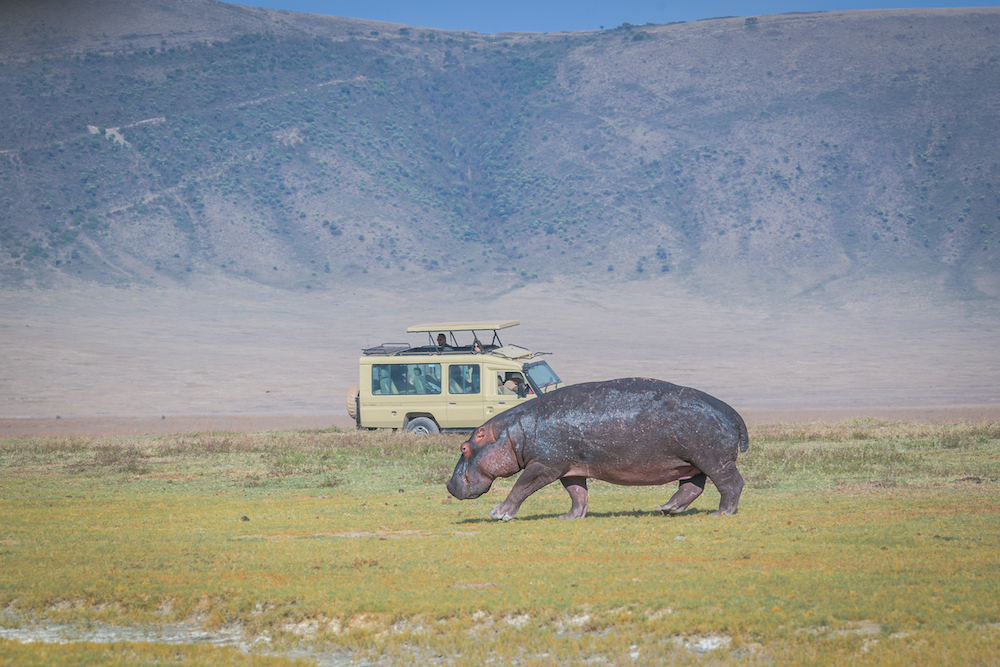
Visit Lake Magadi, a shallow soda lake in the crater's southwest corner, where thousands of flamingos gather. This day offers incredible bird photography opportunities and chances to capture hippos and other wildlife near the water.
- Flamingo photography
- Lake Magadi visit
- Hippo pool photography
- Return to lodge
04
Day 4
Final Morning & Departure
Enjoy one last morning photography session at the crater rim or engage in a final descent for last-minute wildlife opportunities. After breakfast, transfer to the airport for your departure, carrying home thousands of stunning photographs.
- Sunrise photography session
- Optional morning game drive
- Breakfast at lodge
- Transfer to airport
Location
Ngorongoro Crater is a UNESCO World Heritage Site in northern Tanzania. The crater, formed from a collapsed volcano, is 610 meters deep and covers approximately 260 square kilometers. It's home to the highest density of wildlife in Africa, making it one of the best photography destinations in the world.
Photo Gallery